


Why Does A Centrifugal Fan Motor Overheat?
Oct 08, 2026
A centrifugal fan motor normally becomes warm during operation, but excessive temperature is a warning that the motor is generating more heat than it can safely dissipate. If the motor becomes unusually hot, trips its overload protection, produces a burning smell, or repeatedly shuts down, the cause should be identified before the fan is returned to continuous operation.
Motor overheating is not always caused by a defective motor. The fan may be drawing more power than expected, the electrical supply may be unstable, or dust and poor ventilation may be preventing heat from escaping.
For maintenance engineers and equipment buyers, the important question is not simply how to cool the motor down. It is why the motor is overheating under the current operating conditions.
1. The Centrifugal Fan Is Putting Too Much Load on the Motor
One of the first things to investigate is whether the fan requires more shaft power than the motor was selected to deliver.
A centrifugal fan's power requirement changes with its operating point. If the fan runs at a higher speed than originally specified, its power demand can increase significantly. A change in duct resistance or system configuration can also move the fan to a different operating point.
Common causes include:
Fan speed increased during commissioning or later adjustment.
Pulley diameters changed without checking motor power requirements.
The system operates at a higher airflow than the original design condition.
The installed impeller or fan configuration differs from the selected specification.
The actual air density is higher than the design condition.
A particularly important point is that opening or closing a damper does not have the same effect on every centrifugal fan. The relationship between airflow and absorbed power depends on the impeller design and its performance curve.
How to check: Measure the motor's operating current and compare it with the nameplate full-load current. Also check the actual fan RPM and compare it with the approved operating range and fan performance curve.
If the current is consistently above the motor's rated value, investigate the fan load before assuming the motor itself is defective.
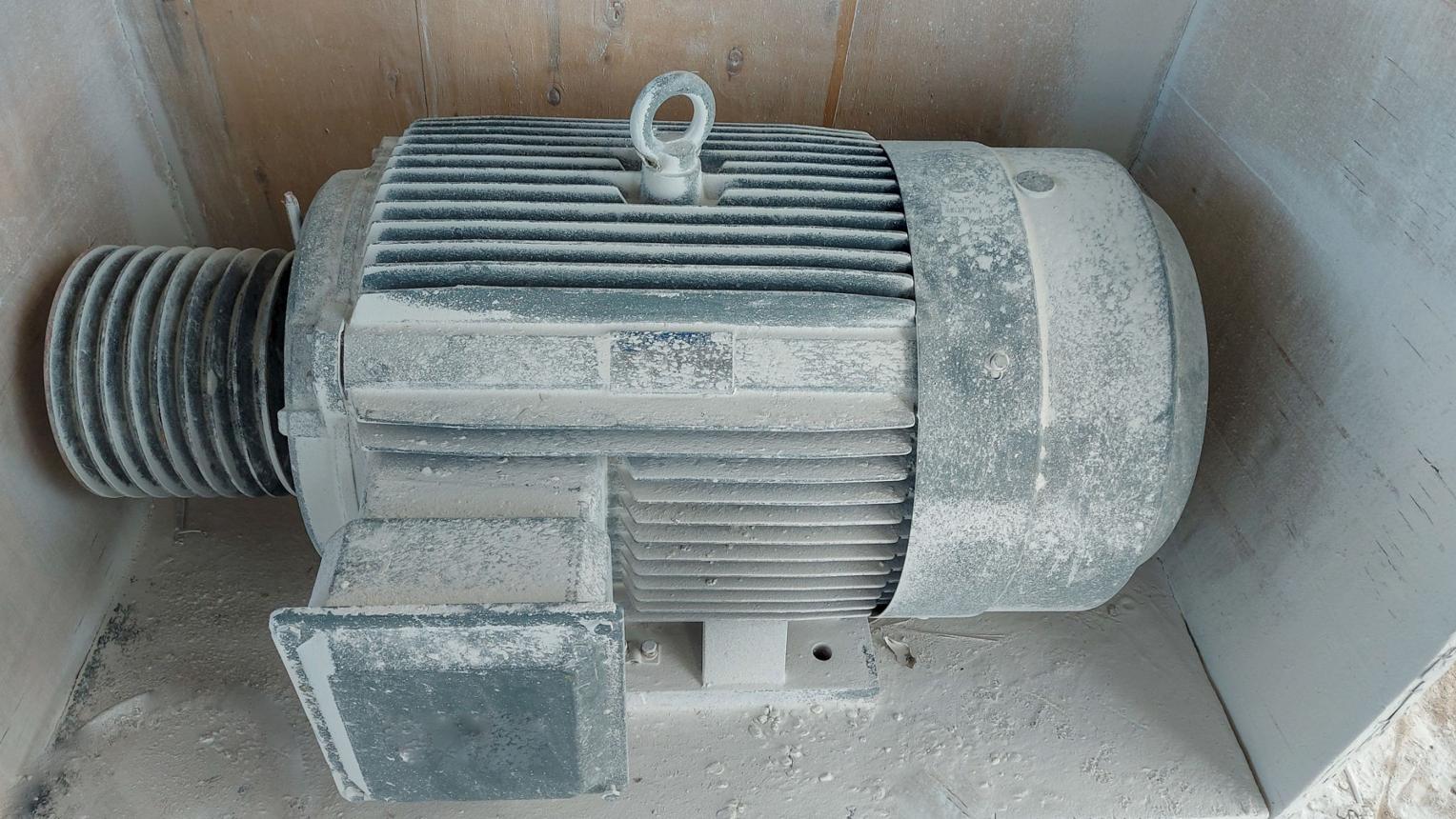
2. Motor Cooling Is Restricted by Dust or Poor Ventilation
Industrial centrifugal fans often operate in environments containing dust, oil mist, fibers, moisture, or other airborne contaminants. These materials can accumulate on the motor housing and gradually reduce its cooling capacity.
Most standard industrial motors use cooling fins and an external cooling fan to transfer heat away from the motor frame. When the cooling fan cover becomes blocked or the spaces between the cooling fins fill with dust, airflow over the motor decreases.
The motor may then overheat even when its electrical load remains within the rated range.
Check the following areas:
Motor cooling fan and protective cover.
Gaps between the motor cooling fins.
Space around the motor's air inlet and outlet.
Dust or oil deposits on the motor housing.
Nearby equipment or panels restricting ventilation.
This problem is particularly relevant to dust collection systems, woodworking facilities, cement plants, and material handling applications.
How to check: Compare the motor's temperature under similar operating loads before and after cleaning its external cooling surfaces. If the temperature improves, restricted ventilation may have contributed to the problem.
Always isolate the power supply before cleaning or inspecting the motor.
3. Supply Voltage Is Too Low or Unbalanced
Electrical supply problems can cause motor overheating even when the fan's mechanical condition appears normal.
For a three-phase motor, voltage imbalance is particularly important. Unequal phase voltages can produce unequal phase currents, increasing winding losses and creating additional heat.
Other possible electrical problems include:
Supply voltage below the motor's rated value.
Excessive voltage variation during operation.
Loose or damaged electrical connections.
A missing phase or defective contactor.
Incorrect motor terminal connections.
Unsuitable VFD settings or output conditions.
Do not rely only on the total current displayed by a control panel. A motor can have a phase imbalance that is not obvious from a single current reading.
How to check: Have a qualified electrician measure all three phase-to-phase voltages and all three phase currents while the motor is operating. Compare the readings with the motor nameplate and the applicable electrical requirements.
If one phase carries noticeably more current than the others, investigate the supply, connections, and motor windings before continuing operation.
4. The Motor Runs at Low Speed with Insufficient Cooling
Variable frequency drives (VFDs) allow operators to adjust centrifugal fan speed according to ventilation requirements. However, reducing motor speed can also reduce its cooling capacity.
Many standard industrial motors use a cooling fan mounted directly on the motor shaft. When the shaft rotates more slowly, the cooling fan also rotates more slowly and produces less cooling airflow.
This can become a problem when a motor operates continuously at low frequency, particularly under substantial load or in a high-temperature environment.
For example, a motor that operates satisfactorily at its rated speed may become too hot when it runs for extended periods at a much lower speed.
The solution depends on the motor's cooling design and operating duty. Possible measures include:
Using a separately powered forced-ventilation fan.
Selecting a motor designed for variable-speed operation.
Checking the VFD's motor protection and thermal settings.
Reviewing the required torque and load across the operating speed range.
If a centrifugal fan is expected to operate at widely varying speeds, motor cooling should be considered during the original motor and drive selection process, not only after overheating occurs.
5. Bearing Problems or Excessive Belt Tension Increase Mechanical Load
A motor bearing problem can generate additional friction and heat. Damaged bearings, unsuitable lubrication, contamination, or incorrect installation may increase the resistance to rotation.
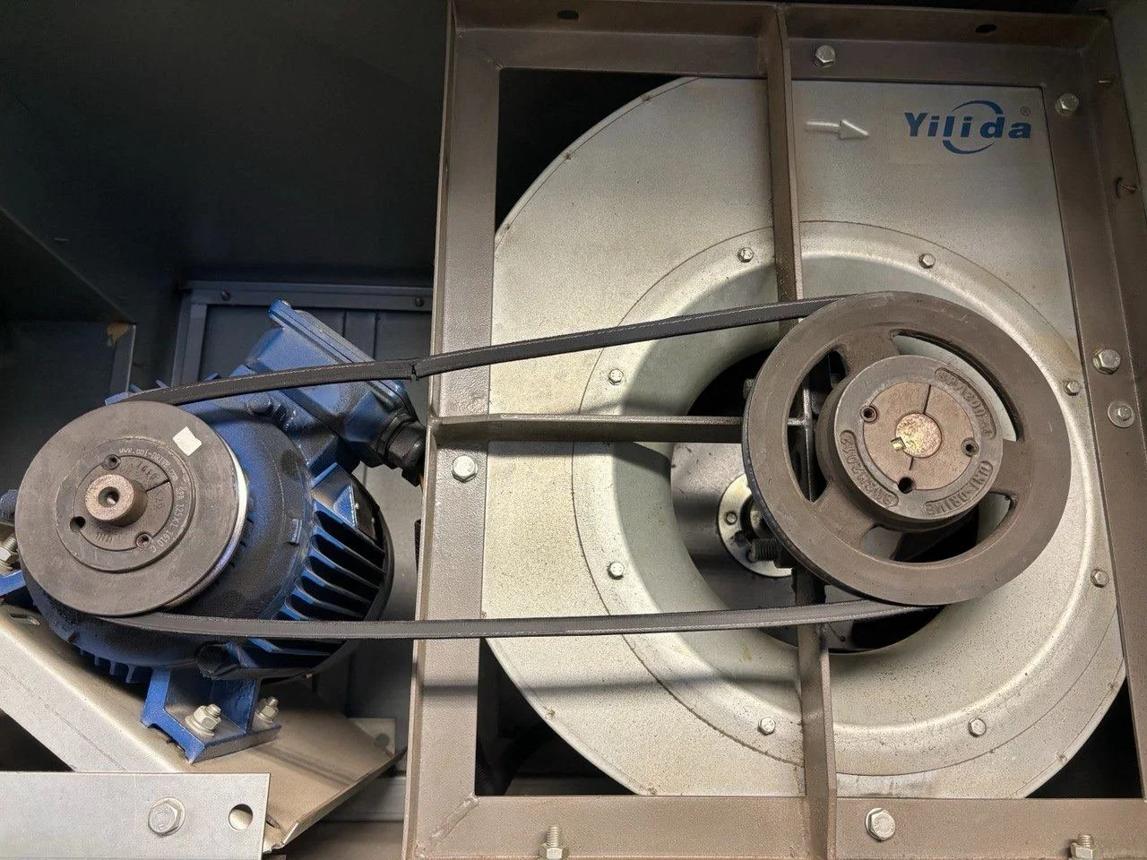
For belt-driven centrifugal fans, excessive belt tension is another possible source of mechanical stress. Over-tightened belts place additional radial load on the motor shaft and bearings.
Check for:
Unusual noise from the motor bearing housing.
Abnormal vibration near the motor.
Incorrect belt tension.
Misaligned motor and fan pulleys.
Bearing lubrication problems.
Signs of bearing damage or shaft misalignment.
It is important to distinguish motor bearing problems from fan shaft bearing problems. A belt-driven centrifugal fan may have separate bearings supporting the fan shaft, and a problem in either assembly can affect the overall drive system.
Do not apply additional grease simply because a bearing feels hot. Excessive lubrication can also increase bearing temperature. Follow the motor manufacturer's lubrication instructions.
6. The Motor Is Undersized for the Actual Operating Conditions
Sometimes the motor is not defective at all. It was simply selected for a duty point that does not match the actual application.
This can happen when the fan is modified after installation, the system requirements change, or the original motor selection does not account for the full range of operating conditions.
For example, a dust collection system may later receive additional extraction points. The fan may then need to deliver more airflow or operate at a different pressure and speed.
If the motor is not rated for the resulting power demand, it may run above its intended load for extended periods.
When reviewing motor selection, consider:
Fan shaft power across the required operating range.
Maximum absorbed power, not only the nominal duty point.
Continuous or intermittent operating requirements.
Ambient temperature and installation conditions.
VFD operating range, if applicable.
Motor service factor and overload protection requirements.
Selecting a larger motor without correcting the underlying fan or system problem is not always the best solution. It may increase equipment and operating costs without addressing the actual cause.
7. How to Diagnose a Centrifugal Fan Motor That Keeps Overheating
Instead of replacing components one by one, follow a structured inspection process.
| Inspection item | What to look for | What it may indicate |
|---|---|---|
| Motor current | Current above nameplate rating | Electrical or mechanical overload |
| Three-phase voltage | Unequal phase voltages | Supply imbalance |
| Fan speed | RPM above the approved value | Excessive fan power demand |
| Cooling fan and fins | Blocked cover or dirty cooling channels | Insufficient heat dissipation |
| Motor bearings | Abnormal noise, vibration, or temperature | Bearing or lubrication problems |
| Belt drive | Excessive tension or pulley misalignment | Additional shaft and bearing load |
| VFD operation | Extended low-speed operation or incorrect settings | Insufficient cooling or unsuitable drive configuration |
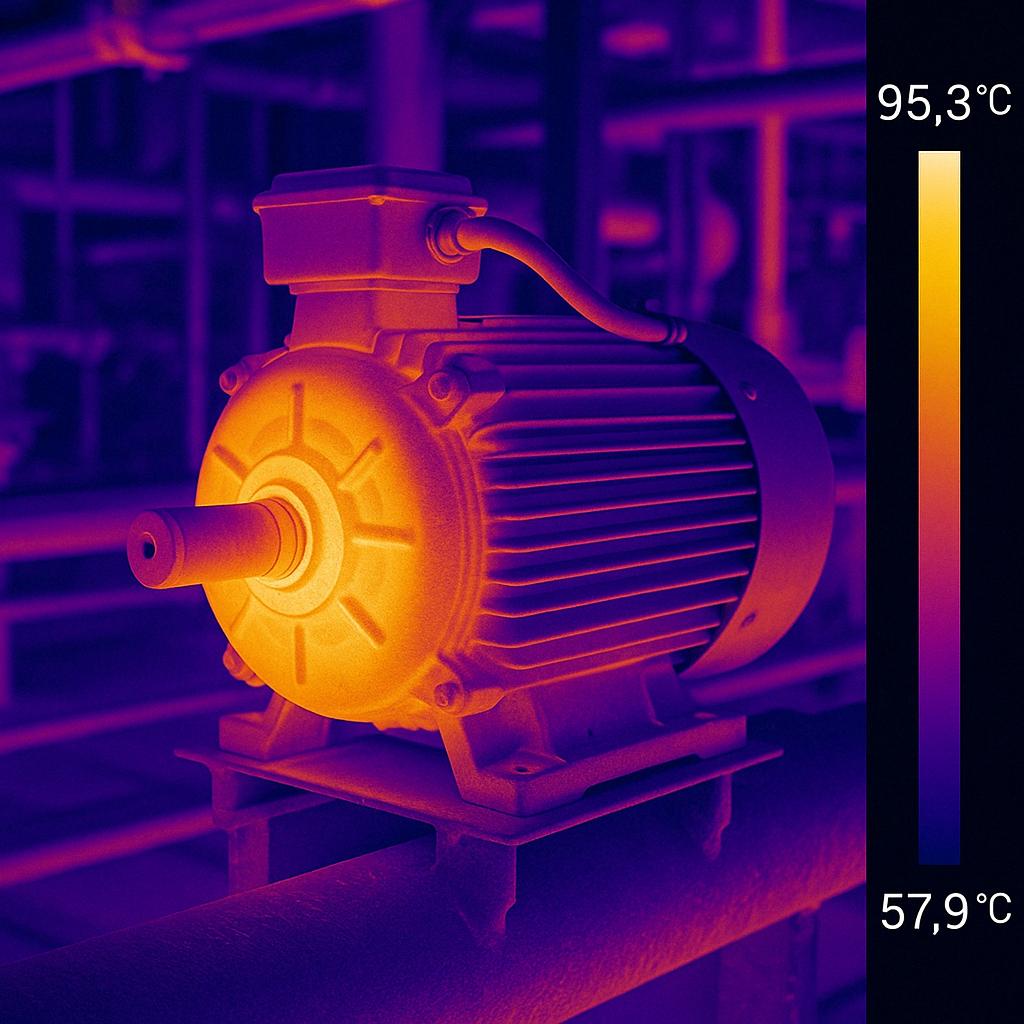
Record the motor temperature, current, voltage, fan speed, and operating conditions during the inspection. Comparing these measurements with previous records is more useful than relying on a single temperature reading.
Also, do not treat motor surface temperature as a direct measurement of winding temperature. The permissible temperature depends on the motor's insulation class, temperature rise, ambient conditions, and cooling method. There is no single surface-temperature limit that applies to every industrial motor.
If the motor trips repeatedly, produces a burning smell, or shows signs of electrical damage, stop the equipment and arrange an inspection by qualified personnel. Do not repeatedly reset the overload protection to keep the fan running.
8. How to Prevent Motor Overheating in Centrifugal Fan Applications
Prevention starts with matching the motor to the actual fan operating conditions.
For new installations, check the fan performance curve and motor power requirements before confirming the motor rating. If the system needs variable-speed operation, verify that the motor can maintain adequate cooling throughout the intended speed range.
For operating equipment, establish a maintenance routine covering:
Cleaning motor cooling fins and ventilation covers.
Checking motor current against nameplate values.
Inspecting belt tension and pulley alignment.
Monitoring bearing noise and vibration.
Checking electrical connections and supply conditions.
Reviewing VFD settings after changes to the operating system.
These checks are particularly important for centrifugal fans used in continuous-duty industrial ventilation, dust collection, and exhaust systems.
Conclusion
A centrifugal fan motor can overheat because of excessive fan load, poor cooling, unstable electrical supply, low-speed VFD operation, bearing problems, or incorrect motor selection. Several of these conditions can occur at the same time.
The most effective troubleshooting approach is to establish whether the motor is generating excessive heat because of overload or whether it cannot dissipate normal operating heat efficiently.
For centrifugal fan manufacturers and equipment buyers, motor selection should always be based on the actual fan performance requirements, operating speed, drive arrangement, and installation environment.
At Wuxi JN Fan Factory, matching the fan configuration and motor specification to the intended industrial operating conditions is an important part of centrifugal fan selection. Providing the required airflow, static pressure, operating speed, and application details helps determine a suitable fan and drive arrangement.
You Might Also Like
-

Exhaust Fan Axial Type Vane Axial Blower
-

G4-73 Y4-73 Mine Ventilation Air Extractor Industrial Cen...
-

GXF Inclined Circulation Fan
-

BACKWARD CURVED BLADED CENTRIFUGAL FANS AIR BLOWER VENTIL...
-

Air Supply Purification Draught Centrifugal Blower Fan Wi...
-

Belt Drive Centrifugal ID Blower Fan For Steam Biomass Bo...