


Latest Innovations in Axial Fan Technology for 2025
Oct 22, 2025
In 2025, axial fan technology has seen significant advancements, driven by the demand for energy efficiency, noise reduction, and smart integration in industrial applications. These innovations are transforming industries such as HVAC, manufacturing, and data centers.
1. Advanced Aerodynamic Blade Designs
Engineers are utilizing computational fluid dynamics to optimize fan blade shapes and angles, reducing turbulence and drag. This results in improved airflow efficiency and reduced noise levels, making axial fans more suitable for noise-sensitive environments.
2. Energy-Efficient EC Motors
Electronically Commutated motors are now standard in many axial fans. These motors offer higher efficiency and quieter operation compared to traditional AC motors. They also enable features like variable speed control, which adjusts fan performance based on real-time conditions, leading to energy savings.
3. Smart Integration and IoT Connectivity
Modern axial fans are equipped with IoT capabilities, allowing for remote monitoring and predictive maintenance. This smart integration helps in optimizing performance and reducing downtime by anticipating maintenance needs before they become critical.
4. Noise Reduction Technologies
To address noise concerns, manufacturers are implementing aerodynamic blade designs and advanced motor technologies that minimize sound levels. For instance, some fans have reduced noise by 15–20 dB through improved blade and motor designs.
5. Customization for Specific Applications
Companies are offering tailored axial fan solutions to meet the unique requirements of various industries. Customization options include adjustments in size, airflow capacity, and noise levels to suit specific applications, such as clean rooms, data centers, and industrial ventilation systems.
These innovations in axial fan technology are setting new standards in performance, efficiency, and adaptability. As industries continue to prioritize sustainability and operational efficiency, the role of advanced axial fans becomes increasingly critical.
If you need assistance in selecting the right axial fan for your specific application or require more information on these technologies, feel free to contact us.
You Might Also Like
-

Low Noise Industrial Centrifugal Fan
-
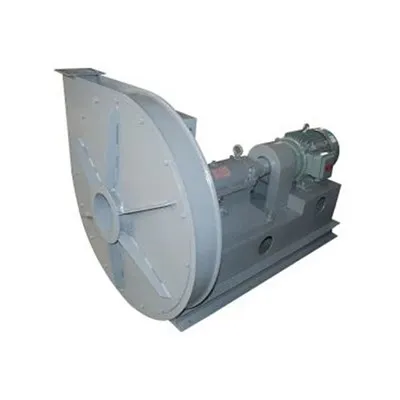
Centrifugal Fan For Smelting Furnace
-

Air Supply Purification Draught Centrifugal Blower Fan Wi...
-

Plastic Extruder Air Blower Centrifugal Fan
-

Industrial Boiler Induced Forced Draught Secondary Air Bl...
-
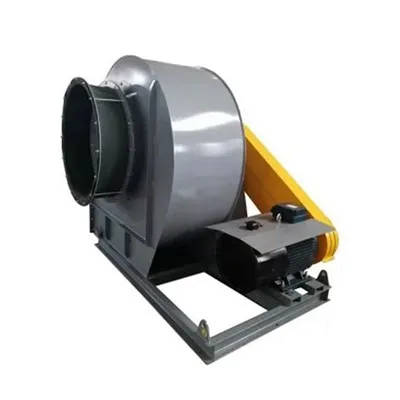
Large Capacity 37kw Centrifugal Blower Fans For Industria...