


How can the energy-saving effect of axial fans be tested?
Nov 30, 2024
Here are some ways to test the energy-saving effect of axial fans:
Air volume measurement: Use an anemometer or air volume hood to measure the fan's air volume output under different working conditions. By comparing the air volumes of different fans or under different operating conditions, you can understand their air delivery capacity. Fans with larger air volumes and meeting their needs may have better energy-saving effects.
Air pressure measurement: Use tools such as pressure sensors to measure the air pressure generated by the fan. Air pressure is a reflection of the fan's ability to overcome system resistance. Under the premise of meeting the system ventilation requirements, lower air pressure usually means that the fan consumes less energy during operation.
Power measurement: Use a power meter to measure the power consumption of axial fans during operation. This is an important parameter that directly reflects the fan's energy consumption. The lower the power, the better the energy-saving effect.
Speed measurement: Measure the speed of the fan to understand its performance at different speeds. Some energy-saving fans can adapt to different working conditions through variable speed adjustment, reducing the speed while ensuring air volume or pressure, thereby achieving energy saving.
Energy efficiency ratio calculation: The energy efficiency ratio (EER) is a key indicator to measure the energy-saving effect of axial fans, which is obtained by calculating the ratio of air volume to power. The higher the EER value, the less power the fan consumes when providing the same air volume, and the better the energy-saving effect.
Temperature and humidity monitoring: Monitor changes in temperature and humidity in a specific application environment. For example, in a cooling system, observe the control effect of the axial fan on the temperature of the equipment and whether it can effectively maintain a suitable operating temperature while saving energy.
Running time and energy consumption statistics: Record the fan's running time over a period of time and combine the power measurement data to calculate the total energy consumption. This can intuitively compare the energy consumption of different fans or different operating strategies.
Comparative test: Select an axial fan with known energy-saving performance as a reference, and conduct a comparative test with the fan to be tested under the same conditions, analyze the differences between the two in terms of air volume, air pressure, power, etc., to evaluate the energy-saving effect of the fan to be tested.
Simulated working condition test: According to the actual use conditions of the axial fan, a simulated test environment is built, including system resistance, ventilation ducts, etc. Testing in a simulated environment can more accurately reflect the energy-saving performance of the fan in actual work.
Noise measurement: Although noise is not directly related to energy saving, fans with lower noise usually have advantages in design and manufacturing, and may also reflect their energy-saving performance to a certain extent.
When testing energy-saving effects, attention should be paid to the consistency of the test environment and the accuracy of the test method to ensure the reliability and comparability of the test results. At the same time, the actual application requirements and scenarios of axial flow fans should be considered comprehensively, the most suitable fan should be selected and the operating parameters should be set reasonably to achieve the best energy-saving effect. If possible, relevant standards and specifications can be referred to for testing.
If you want to know how to test the energy-saving effect of axial flow fans, you can consult our professional technicians, and we will provide you with the best service!
You Might Also Like
-

Centrifugal Blower Impeller Radial Fan Impeller
-

4-68 China General Purpose Building Air Ventilation Centr...
-

Y5-48 Stainless Steel Hot Air Oven Industrial Boiler Suct...
-
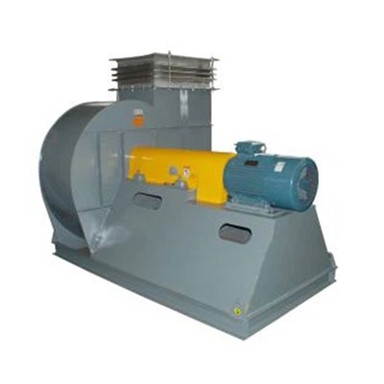
Centrifugal Fan For Thermal Power Plant
-

380V 415V 440V Low Noise Marine Centrifugal Ventilation B...
-

Direct Driven Centrifugal Fan Blower Fan Exhaust