


Air Centrifugal Blower Vs. Axial Fan: Key Differences
Jun 22, 2025
1. Airflow Direction & Mechanism
Air Centrifugal Blower:
Uses a rotating impeller to draw air in axially (parallel to the shaft) and discharge it radially (perpendicular to the shaft).
The airflow centrifugal fan design creates higher pressure by converting kinetic energy into static pressure within the volute housing.
Ideal for systems requiring high-pressure airflow, such as ducted HVAC or industrial exhaust.
Axial Fan:
Moves air parallel to the shaft, similar to a propeller.
Generates high-volume airflow at lower pressure, making it suitable for open-space ventilation (e.g., cooling towers, computer fans).
2. Pressure & Efficiency
Centrifugal Blowers excel in high-static-pressure applications (e.g., pneumatic conveying, dust collection) due to their airflow centrifugal fan design.
Axial Fans are more efficient in low-resistance environments (e.g., warehouse cooling, condenser units) where large air volume is needed.
3. Noise & Maintenance
Centrifugal Blowers tend to be quieter and more durable, thanks to their enclosed housing.
Axial Fans are simpler but noisier at high speeds.
4. Best Applications
Choose an Air Centrifugal Blower for:
HVAC systems
Industrial exhaust with duct resistance
Drying & filtration systems
Choose an Axial Fan for:
Spot cooling (e.g., electronics, garages)
Low-pressure ventilation
Large-space air circulation


You Might Also Like
-

Rotary Blower Industrial Drying Fans
-

7-11 Low Volume Flow High Pressure Centrifugal Fan Direct...
-

Induced Draught Centrifugal Fan
-
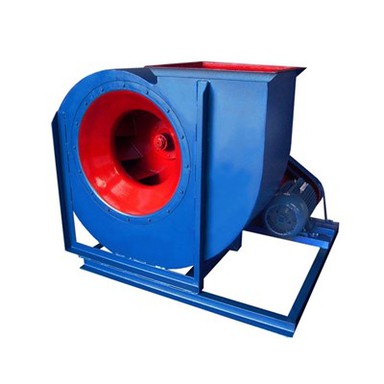
Blast Furnace Centrifugal Air Blower Fan For Air Filtration
-
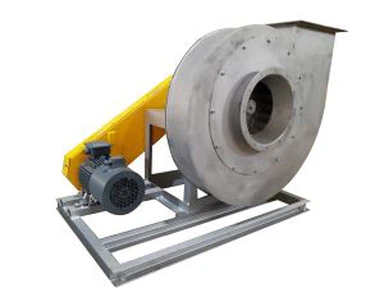
Combustion furnace Stainless Steel ss304 Centrifugal Blower
-

Cowper blast air heater used Single Inlet Industrial Boil...