Common Industrial Ventilation Problems and How Extractor Fans Solve Them
Mar 10, 2026
I still remember walking into a plastic injection molding facility in Wuxi last summer. The plant manager was practically pulling his hair out. The workshop temperature had hit 40°C (104°F), workers were complaining of dizziness, and worst of all, the molding machines were frequently triggering thermal overload alarms, causing costly production downtime.
They had already installed a few cheap, generic wall fans, but the hot air just wasn't moving. When my team from Wuxi JN Fan Factory arrived, I didn't start by quoting them a new fan model. I pulled out an anemometer and a thermal camera. The problem wasn't that they lacked fans; it was that the airflow was "short-circuiting." The exhaust fans were pulling air from the nearest open door, leaving the heat trapped at the ceiling right above the machines.
After 15 years of designing and troubleshooting industrial ventilation systems, I can tell you this: most factory ventilation problems aren't solved by just buying a bigger fan. They are solved by understanding airflow dynamics, identifying the specific pollutant, and engineering the right extraction strategy.
Here are the three most common industrial ventilation problems we see in the field, and how the right extractor fan systems actually solve them.
1. The "Heat Trap": Equipment Overheating and Worker Fatigue
The Problem: In facilities like foundries, welding shops, or injection molding plants, machinery generates massive amounts of radiant heat. Hot air rises and pools at the ceiling (thermal stratification). If not actively removed, this heat radiates back down, causing equipment to overheat and creating an unsafe, unproductive environment for workers.
The Field Reality: Many facility managers try to fix this by pointing standard fans at the workers. This just stirs the hot air around; it doesn't remove it.
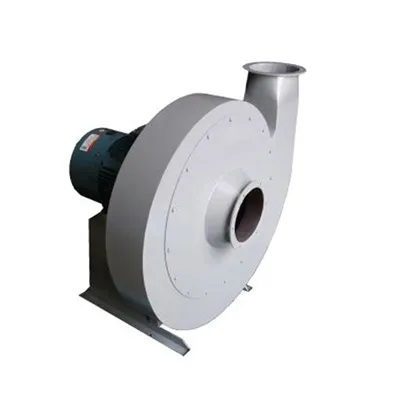
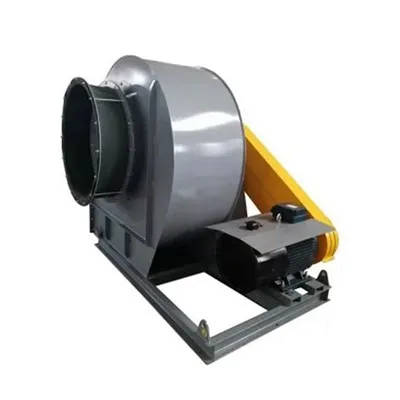
The Solution: You need calculated high-volume industrial extractor fans designed for high Air Changes Per Hour (ACH). At Wuxi JN Fan Factory, we first calculate the total heat load and the cubic volume of your workshop. We then specify heavy-duty axial or centrifugal extractor fans with the precise CFM (Cubic Feet per Minute) rating needed to push the hot air out, while strategically placing low-level intake louvers to pull in cooler, fresh air from the outside. This creates a directed, cross-ventilation flow that actually flushes the heat out of the building.
2. Hazardous Fumes and Dust Accumulation
The Problem: In chemical processing, painting booths, or metal fabrication shops, airborne particulates, welding fumes, or corrosive vapors accumulate. This isn't just an comfort issue; it's a severe occupational health and safety compliance risk.
The Field Reality: I once audited a chemical plant where standard carbon steel exhaust fans had completely corroded and seized within six months because they were pulling acidic vapors.
The Solution: General ventilation isn't enough; you need targeted extraction with the right materials. For corrosive environments, we specify FRP (Fiberglass Reinforced Plastic) or stainless steel extractor fans with sealed, corrosion-resistant motors. For heavy dust or welding fumes, we design systems with higher static pressure capabilities to overcome the resistance of ductwork and filtration units, ensuring the hazardous air is captured at the source and safely expelled before it spreads across the shop floor.
3. Poor Air Circulation and "Dead Zones"
The Problem: Large, high-bay warehouses or assembly plants often suffer from stagnant "dead zones" where air never moves. This leads to localized humidity buildup, mold growth, or uneven temperature distribution.
The Field Reality: Installing random exhaust fans on the roof without considering the building's aerodynamics often makes this worse. The fans will simply pull air from the path of least resistance, ignoring the far corners of the building.
The Solution: Effective ventilation is a system, not a single component. It requires balancing the intake and exhaust. We use computational fluid dynamics (CFD) principles (or practical on-site smoke testing) to map the airflow. By pairing high-efficiency roof or wall-mounted extractor fans with properly sized and positioned intake vents, we create a uniform, sweeping airflow that eliminates dead zones and ensures every corner of the facility gets fresh air.
Don't Guess Your Ventilation Needs
Buying an industrial extractor fan off a generic catalog is like buying a prescription drug without a diagnosis. It might work, but it's a massive gamble with your production uptime and worker safety.
At Wuxi JN Fan Factory, we don't just manufacture fans; we engineer airflow solutions. We've seen what works in real factories, and we know what fails.
If your facility is struggling with heat, fumes, or stagnant air, don't just replace hardware. Let's fix the root cause. Send us your workshop dimensions, the type of heat or pollutants you're dealing with, and your current pain points. Our engineering team will provide a free, no-obligation ventilation assessment, including recommended CFM, fan type, and optimal placement.
Contact Wuxi JN Fan Factory today, and let's get your facility breathing easy again.