

What is a roof blower?
Jan 22, 2026
Hey there! I'm a supplier of roof blowers, and I'm super stoked to chat with you about what a roof blower is. So, let's dive right in!
What Exactly is a Roof Blower?
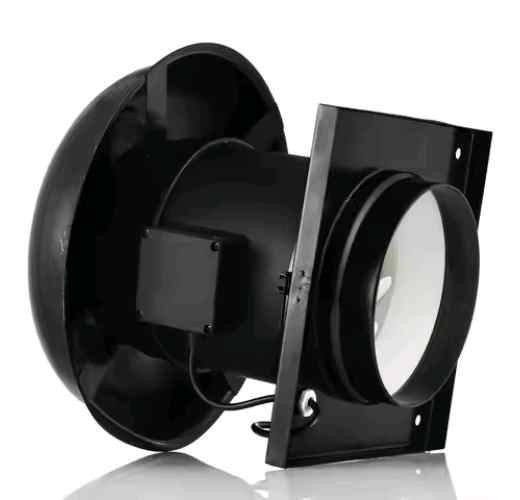
A roof blower, as the name suggests, is a device that's installed on the roof of a building. Its main job is to move air in and out of the building, creating ventilation. You know how stuffy it can get inside a building, especially in hot weather or when there's a lot of people or machinery generating heat? That's where roof blowers come in handy.
They work by sucking out the stale, hot air from inside the building and pushing it outside. At the same time, they draw in fresh air from the outside, which helps to keep the indoor environment cool, comfortable, and healthy. It's like giving your building a big breath of fresh air!
How Do Roof Blowers Work?
Roof blowers come in different types, but most of them use a fan to move the air. The fan is powered by an electric motor, and it can be either a direct-drive or a belt-drive system.
In a direct-drive system, the fan is directly connected to the motor, which means there are fewer moving parts and less maintenance required. Belt-drive systems, on the other hand, use a belt to connect the fan to the motor. This allows for more flexibility in terms of speed and power, but it also means there are more parts that can wear out over time.
Once the fan starts spinning, it creates a negative pressure inside the building. This negative pressure causes the stale air to be drawn towards the fan and then pushed out through the roof. At the same time, the fresh air is drawn in through windows, doors, or other openings in the building.
Benefits of Using Roof Blowers
There are several benefits to using roof blowers in your building. Here are some of the main ones:
1. Improved Air Quality
By removing the stale air and bringing in fresh air, roof blowers help to improve the air quality inside the building. This can reduce the risk of respiratory problems, allergies, and other health issues.
2. Energy Efficiency
Roof blowers can also help to reduce your energy costs. By keeping the indoor environment cool and comfortable, you can reduce the need for air conditioning, which can save you a lot of money in the long run.
3. Extended Roof Lifespan
Excess heat and moisture can damage your roof over time. By removing the hot air and moisture from inside the building, roof blowers can help to extend the lifespan of your roof.
4. Increased Comfort
A well-ventilated building is a more comfortable place to work or live in. Roof blowers can help to reduce the temperature and humidity inside the building, making it more pleasant for everyone.
Types of Roof Blowers
There are several types of roof blowers available on the market, each with its own unique features and benefits. Here are some of the most common types:
1. Axial Roof Top Ventilator Exhaust Blower Fan
Axial roof top ventilator exhaust blower fans are one of the most popular types of roof blowers. They are designed to move a large volume of air quickly and efficiently. You can check out the Axial Roof Top Ventilator Exhaust Blower Fan Prices Smoke Air Ventilation for more information.
2. Roof Exhaust Fans
Roof exhaust fans are another common type of roof blower. They are typically used to remove stale air and moisture from attics, basements, and other enclosed spaces. You can find more details about Roof Exhaust Fans Roof Ventilation Systems.
3. Downblast Roof Exhaust Fan
Downblast roof exhaust fans are designed to blow the air downwards, which helps to prevent rain, snow, and debris from entering the building. They are often used in industrial and commercial buildings. You can learn more about Downblast Roof Exhaust Fan.
Choosing the Right Roof Blower for Your Building
When choosing a roof blower for your building, there are several factors you need to consider. Here are some of the main ones:
1. Building Size and Layout
The size and layout of your building will determine the size and number of roof blowers you need. A larger building will require more powerful and larger roof blowers, while a smaller building may only need one or two smaller units.

2. Ventilation Requirements
The ventilation requirements of your building will also depend on the type of activities that take place inside. For example, a building with a lot of people or machinery generating heat and moisture will require more ventilation than a building with fewer people and less activity.
3. Climate
The climate in your area will also affect the type of roof blower you need. In hot and humid climates, you may need a more powerful roof blower to keep the indoor environment cool and comfortable. In colder climates, you may need a roof blower that is designed to prevent heat loss.
4. Budget
Finally, you need to consider your budget when choosing a roof blower. Roof blowers can range in price from a few hundred dollars to several thousand dollars, depending on the size, type, and features.
Installation and Maintenance of Roof Blowers
Installing a roof blower is a job that should be done by a professional. A professional installer will have the knowledge and experience to ensure that the roof blower is installed correctly and safely.
Once the roof blower is installed, it's important to maintain it regularly to ensure that it continues to work properly. This includes cleaning the fan blades, checking the motor and belts, and lubricating the moving parts.
Conclusion
So, there you have it! That's what a roof blower is and why it's so important for your building. If you're looking for a reliable and efficient way to improve the air quality, energy efficiency, and comfort of your building, then a roof blower is definitely worth considering.
If you're interested in purchasing a roof blower, or if you have any questions or need more information, please don't hesitate to contact us. We're here to help you find the right roof blower for your needs and budget.
References
- Building Ventilation Handbook
- HVAC Systems Design Guide