

Is it difficult to install a roof blower?
Nov 20, 2026
Is it difficult to install a roof blower? This is a question that frequently pops up among building owners, facility managers, and DIY enthusiasts. As a supplier of roof blowers, I've handled a wide range of inquiries and witnessed diverse installation scenarios. In this blog, I'll share insights into the installation process of roof blowers and explore the factors that influence its difficulty level.
Understanding Roof Blowers
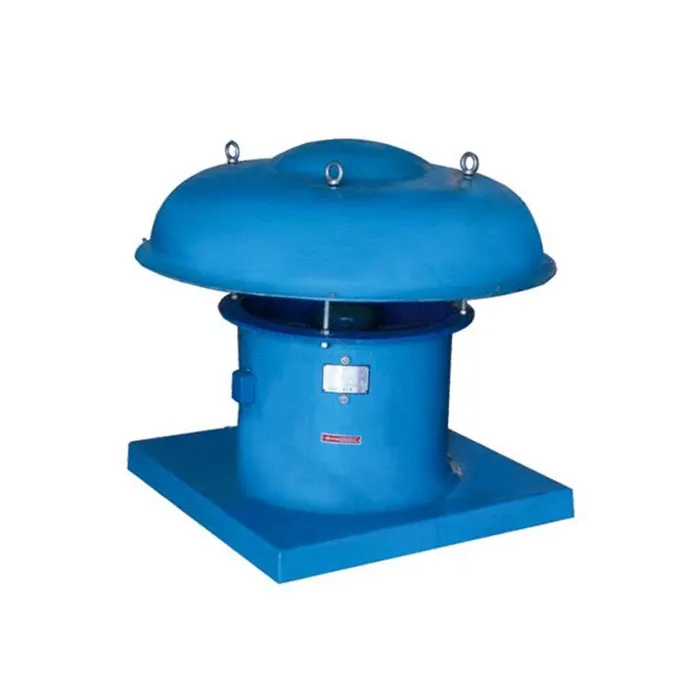
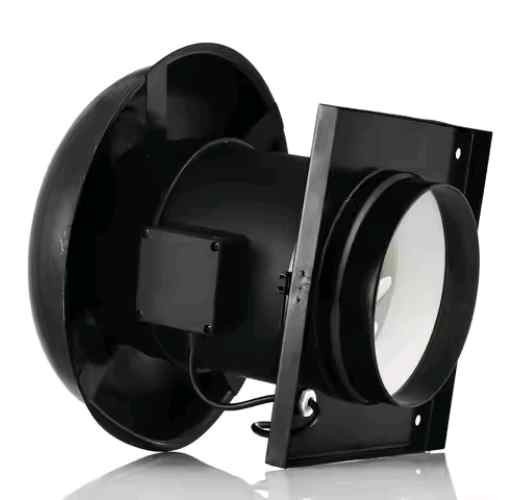
Before delving into the installation difficulty, it's essential to understand what roof blowers are and their functions. Roof blowers, also known as roof exhaust fans, are essential components of roof ventilation systems Roof Exhaust Fans Roof Ventilation Systems. They are designed to expel hot, stale air, moisture, and pollutants from indoor spaces, such as factories, warehouses, commercial buildings, and even residential attics. By maintaining proper air circulation, roof blowers help improve indoor air quality, reduce energy costs, and prevent the growth of mold and mildew.
There are various types of roof blowers available in the market, each with its unique features and applications. Industrial roof ventilation electric roof fans Industrial Roof Ventilation Electric Roof Fan are commonly used in large industrial facilities to handle high-volume air exchange. Downblast roof exhaust fans Downblast Roof Exhaust Fan are designed to direct the exhaust air downward, preventing rain and debris from entering the fan. Industrial centrifugal roof exhaust fan ventilators Industrial Centrifugal Roof Exhaust Fan Ventilator for Factory are ideal for applications where high pressure is required to move air through ductwork. Axial roof top ventilator exhaust blower fans Axial Roof Top Ventilator Exhaust Blower Fan Prices Smoke Air Ventilation are often used in smaller buildings or for general ventilation purposes.
Factors Affecting Installation Difficulty
The difficulty of installing a roof blower can vary depending on several factors. Here are some key considerations:
1. Roof Type and Condition
The type and condition of the roof play a significant role in the installation process. Different roof materials, such as metal, asphalt shingles, or flat roofs, require specific installation methods and tools. For example, installing a roof blower on a metal roof may involve drilling holes and using specialized fasteners, while installing on an asphalt shingle roof may require cutting through the shingles and sealing the penetration points. Additionally, the condition of the roof, including its age, slope, and structural integrity, can also affect the ease of installation. A damaged or unstable roof may require additional repairs or modifications before the roof blower can be installed safely.
2. Fan Size and Weight
The size and weight of the roof blower can also impact the installation difficulty. Larger and heavier fans may require more manpower and equipment to lift and position on the roof. They may also require stronger support structures to ensure stability and prevent damage to the roof. Additionally, the size of the fan may determine the size of the opening that needs to be cut in the roof, which can be more challenging for larger fans.
3. Electrical Requirements
Most roof blowers require electrical power to operate. Installing the necessary electrical wiring and connections can be a complex and potentially dangerous task, especially if you're not familiar with electrical work. It's important to hire a qualified electrician to ensure that the electrical installation is done correctly and in compliance with local electrical codes. Additionally, the location of the electrical panel and the distance from the fan to the panel can also affect the installation difficulty.
4. Access to the Roof
The ease of access to the roof is another important factor to consider. If the roof is difficult to reach, such as on a tall building or in a hard-to-access location, it may require the use of specialized equipment, such as ladders, scaffolding, or cherry pickers. This can add to the installation time and cost, as well as increase the risk of accidents and injuries.
5. Local Building Codes and Permits
Before installing a roof blower, it's important to check with your local building department to determine if any permits or approvals are required. Local building codes may specify certain installation requirements, such as the type of fan, the location of the fan, and the installation methods. Failure to comply with these codes can result in fines, delays, or even the need to remove and reinstall the fan.
Installation Process
The installation process for a roof blower typically involves the following steps:
1. Planning and Preparation
Before starting the installation, it's important to carefully plan and prepare. This includes selecting the appropriate fan for your application, determining the location of the fan on the roof, and gathering all the necessary tools and materials. You should also check the weather forecast to ensure that the installation will not be affected by rain, wind, or other adverse weather conditions.
2. Marking and Cutting the Opening
Once you've determined the location of the fan on the roof, you'll need to mark the opening for the fan. Use a measuring tape and a pencil to mark the outline of the opening, making sure to follow the manufacturer's instructions. Then, use a saw or a roofing cutter to cut the opening in the roof. Be careful not to damage the roofing material or any underlying structures.
3. Installing the Mounting Frame
After cutting the opening in the roof, you'll need to install the mounting frame for the fan. The mounting frame is typically made of metal or wood and is designed to provide a stable base for the fan. Follow the manufacturer's instructions to install the mounting frame, making sure to secure it firmly to the roof.
4. Connecting the Electrical Wiring
Once the mounting frame is installed, you'll need to connect the electrical wiring to the fan. This should be done by a qualified electrician to ensure that the installation is done correctly and in compliance with local electrical codes. The electrician will typically run the wiring from the electrical panel to the fan and connect it to the appropriate terminals.
5. Installing the Fan
After the electrical wiring is connected, you can install the fan on the mounting frame. Follow the manufacturer's instructions to align the fan with the mounting frame and secure it with bolts or screws. Make sure the fan is level and stable before tightening the fasteners.
6. Sealing the Opening
Once the fan is installed, you'll need to seal the opening around the fan to prevent water leaks. Use a high-quality roofing sealant or flashing to seal the edges of the opening, making sure to cover all the seams and joints. This will help protect the roof and prevent damage to the fan.
7. Testing the Fan
After the installation is complete, you should test the fan to make sure it's working properly. Turn on the power to the fan and listen for any unusual noises or vibrations. Check the airflow to ensure that the fan is expelling air effectively. If you notice any problems, you may need to make adjustments or contact a professional for assistance.
Is It Difficult?
Based on the factors and process described above, the answer to whether it's difficult to install a roof blower is not straightforward. For someone with extensive roofing and electrical experience, installing a simple roof blower on a standard roof may not be overly challenging. However, for most DIYers or those without the necessary skills and tools, it can be a complex and potentially dangerous task.
If you're considering installing a roof blower yourself, it's important to carefully assess your skills and experience. If you're not confident in your ability to complete the installation safely and correctly, it's best to hire a professional roofing contractor or an electrician. They have the knowledge, skills, and equipment to ensure that the installation is done properly and in compliance with local building codes.
Conclusion
Installing a roof blower can be a challenging task, but with careful planning, the right tools, and the necessary skills, it can be done successfully. As a supplier of roof blowers, we're dedicated to providing high-quality products and support to our customers. If you're in the market for a roof blower or need assistance with installation, we're here to help. Contact us today to discuss your specific needs and explore how our roof blowers can improve the ventilation and air quality of your building.